



 5 Min
5 Min In Conditions

Follow this topic

Bookmark

Record learning outcomes
Stress is a normal bodily function and one that can affect anyone, young or old. When the body experiences stress, it releases hormones, such as adrenaline, in preparation to combat a perceived danger. This is why people may feel a heightened heart rate or sweaty palms before public speaking, for example.
"Stress is the body’s natural response to pressure, challenge, or change,” explains Judy Fakhera, wellbeing project manager at the Stress Management Society.
“While some stress can help us perform and adapt, prolonged or excessive stress can have a significant impact on both physical and mental health.”
Worryingly, many in the UK are affected by heightened levels of stress, with 74 per cent of people reporting feeling so stressed they have been overwhelmed or unable to cope, according to a 2018 report by the Mental Health Foundation (MHF), Stress: Are we coping?
The impact
What causes someone to become stressed depends entirely on the individual. From world events to social pressures, stressors can come in many forms. Health, debt, responding to messages, comparing themselves to others, body image, housing and pressure to succeed were cited as stressors in the Stress: Are we coping? report.
It is important for pharmacy teams to be aware of the wide variety of physical and mental causes and signs of stress. “Stress affects everyone differently,” says Judy.
“Some people may recognise emotional symptoms first, while others may present with physical complaints that are rooted in ongoing stress.”
Some of the physical signs of stress may include headaches, muscle tension, digestive issues, fatigue, increased heart rate, changes in appetite, or difficulty sleeping, explains Judy.
“Mentally and emotionally, people may experience anxiety, irritability, low mood, racing thoughts, difficulty concentrating, feeling overwhelmed, or a reduced ability to cope with everyday demands.”
Stress can also lead to behavioural changes. The MHF report found that 46 per cent of people said that they ate too much or ate unhealthily due to stress, 29 per cent said they started drinking or increased their drinking, and 16 per cent reported that they started smoking or increased their smoking.
“The goal is to connect people with the right level of support at the right time”
Pharmacy support
As frontline healthcare workers, community pharmacy teams are keenly placed to notice signs of stress in their customers. Spotting symptoms, opening up discussions about stress, providing self-care guidance and over-the-counter (OTC) solutions, signposting to further support where appropriate and making urgent referrals are key interventions the pharmacy team can make.
Opening up discussions
Some customers may not appreciate the effects stress can have on their health. Opening up these topics in conversations can support their understanding of stress and its impacts.
A great way for pharmacy teams to do this is to engage with health campaigns throughout the year. For example, The Stress Management Society runs Stress Awareness Month every April.
Pharmacy teams can display posters and information in the pharmacy to spark conversations with customers and provide them with helpful materials to take home.
Self-care advice
Pharmacy teams can reassure their customers that there is much they can do to combat stress levels with consistent self-care practices, from engaging in physical activity to maintaining a consistent sleep routine.
“Reducing caffeine and alcohol intake, eating balanced meals, and making time for activities that promote relaxation and recovery” can all aid with stress levels, says Judy.
This might include yoga, stretching, or reading a book before bed rather than scrolling on social media.
“Techniques such as mindfulness, breathing exercises and spending time outdoors can also help many people manage stress levels,” she adds.
Pharmacy teams can display signs for engagement programmes in their local area, such as volunteering at community gardens or events at their local library, to raise awareness and encourage people to get involved.
OTC treatment
Sadly, there is no quick fix for stress. However, there are products available that can act as short-term solutions, mainly for symptoms (see insomnia boxout).
“Where appropriate, pharmacy teams can discuss OTC options that may support associated symptoms, such as temporary sleep difficulties, while ensuring people understand the importance of addressing the underlying causes of stress rather than relying solely on symptom relief,” advises Judy.
Signposting
The professional support available for stress is Cognitive Behavioural Therapy (CBT). This aims to tackle the root cause of stress and provide steps to manage it, alongside self-care guidance. Pharmacy teams can provide signposting to such support.
“Individuals experiencing persistent or significant stress may benefit from speaking with their GP, accessing workplace wellbeing support, contacting mental health charities, or seeking professional counselling or psychological support,” adds Judy.
“The goal is to connect people with the right level of support at the right time.”
For more information, visit:
- Anxiety UK: anxietyuk.org.uk
- The Mental Health Foundation: mentalhealth.org.uk
- Sleep Action: sleepaction.org
- The Stress Management Society: stress.org.uk
- The Sleep Charity: thesleepcharity.org.uk
“Stress can have a significant impact on both physical and mental health”
Red flags
Sometimes, pharmacy teams may need to make important referrals if a customer appears to be suffering from unmanageable stress.
“Red flags include expressions of hopelessness, thoughts of self-harm or suicide, severe anxiety or panic that significantly impacts daily functioning, sudden behavioural changes, severe exhaustion, emotional distress, or signs that stress is substantially affecting a person’s ability to work, maintain relationships, or carry out everyday activities,” explains Judy.
“If someone appears to be at immediate risk of harm to themselves or others, urgent referral to appropriate emergency or crisis services is essential.”

Inside insomnia
Insomnia is a very common sleep issue, affecting one in three people, according to the Sleep Charity’s Sleep Manifesto 2024.
Though common, the management of sleep issues in the UK is poor, with those affected suffering for an average of six years without seeking support, according to the Manifesto.
Identification and diagnosis
The Sleep Charity defines insomnia as: “a sleep disorder where you have extreme difficulty in getting to sleep, staying asleep or waking too early and not being able to fall back asleep.”
If customers are unsure whether they are suffering with insomnia, pharmacy teams can refer them to the charity’s helpful checklist (see signposting). This useful tool asks customers whether they:
- Have difficulty getting to sleep or getting back to sleep, staying asleep or waking up too early
- Have sleep difficulty despite adequate opportunity to sleep
- Experience issues at least three nights per week
- Experience issues for at least three months
- Experience distress and/or disruption to daily functioning
- Suffer from any other illnesses, diseases, sleep disorders or take medications that could be impacting their sleep.
“Sleep deprived people may look tired and pale, but not everyone will show obvious signs,” says head of Sleep Action, Alyson O’Brien.
“Always ask about sleep if someone is talking to you about issues such as low mood and low motivation. Often, the focus is solely on eating well and getting enough exercise, which are important. However, sleep deprivation makes it harder to eat well and get our bodies moving.”
Cause
It’s important to be aware that insomnia is usually caused by a combination of factors. “Stress and anxiety are among the most common contributors, as a busy or worried mind can make it difficult to fall asleep or return to sleep after waking during the night,” explains Lisa Artis, deputy CEO at The Sleep Charity.
“Pharmacy teams can help identify when sleep difficulties may be linked to medications, underlying health conditions or symptoms that warrant further assessment by a GP or sleep specialist.”
Furthermore, pharmacy teams can be on the look out for common lifestyle factors that impact sleep.
“Consuming caffeine too late in the day, drinking alcohol close to bedtime, irregular sleep schedules and excessive screen use in the evening that stimulates the brain, can all interfere with the body’s natural sleep processes,” says Lisa.
“Environmental factors such as noise, light, temperature and an uncomfortable mattress or pillow can also contribute to disrupted sleep.”
Implications
So why does it matter? “Sleep is a fundamental pillar of health, alongside nutrition and exercise, so ongoing sleep difficulties should never be dismissed as simply an inconvenience,” says Lisa.
Living with insomnia can be associated with a wide variety of short-term and long-term health concerns.
Mentally, this can include “reduced concentration, memory difficulties, irritability, low mood and increased stress and anxiety,” says Lisa.
“Many people find that poor sleep affects their ability to cope with everyday challenges, which can create a cycle where worries about sleep make it even harder to switch off at night.”
Many people may be surprised to learn that a lack of sleep has detrimental physical implications, too, and is associated with some serious diseases.
“Chronic insomnia can leave people feeling fatigued and lacking in energy, affecting productivity, motivation and overall quality of life,” explains Lisa.
“Poor sleep has also been linked to a greater risk of health conditions including cardiovascular disease, obesity and type 2 diabetes.”
Finally, a lack of sleep can simply be dangerous. “It is thought that there are more road traffic accidents caused by sleep deprivation than alcohol and drugs combined,” adds Alyson.
Self-care
Addressing lifestyle factors is a great way to start combatting insomnia from the pharmacy counter. For a better night’s sleep, Lisa suggests advising customers to:
- Limit caffeine [and nicotine] later in the day
- Avoid heavy meals and drinking excessive amounts of alcohol close to bedtime
- Ensure that the bed is primarily associated with sleep rather than work, television or scrolling on a phone.
“Importantly, pharmacies can help normalise conversations about sleep. Many people accept poor sleep as something they simply have to live with, but raising awareness of the importance of sleep and encouraging people to seek support can have a positive impact on both individual and community wellbeing,” says Lisa.
“Consistency is often one of the most powerful tools for supporting healthy sleep.”
Sleep hygiene
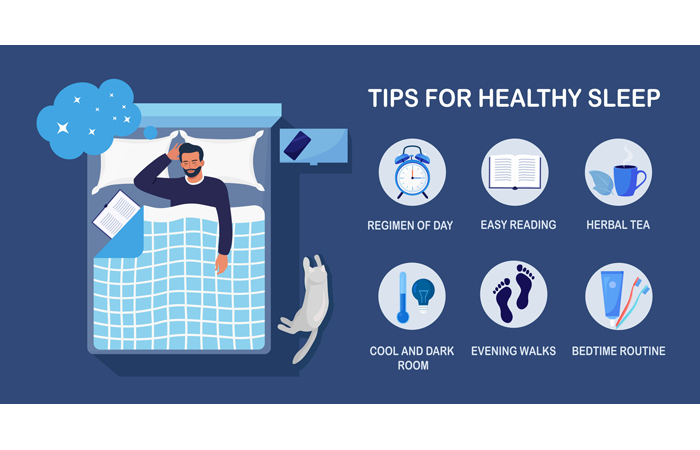
Teams should also familiarise themselves with ‘sleep hygiene’ practices to share with customers. “Sleep hygiene refers to the habits, behaviours and environmental factors that support healthy sleep,” explains Lisa. “While good sleep hygiene alone will not resolve chronic insomnia, it provides the foundation for better sleep and can make a meaningful difference to sleep quality.” Lisa’s top tips include:
- Maintaining a regular sleep and wake schedule
- Creating a comfortable sleep environment that is cool, dark and quiet
- Allowing time to unwind before bed, including reducing exposure to stimulating activities and stressful conversations. This helps the brain recognise it is time to sleep.
OTC solutions
Regarding over-the-counter (OTC) options for sleep, some medications like antihistamines may cause drowsiness, whilst products designed as sleep aids usually include melatonin and ingredients such as lavender, chamomile and valerian root.
“There is no single OTC product that can ‘cure’ insomnia, and any sleep aid should be considered alongside good sleep habits and an understanding of what may be driving the sleep difficulty,” says Lisa.
“Pharmacy teams can advise on the appropriate use of OTC products and help individuals understand when further assessment may be needed. For persistent insomnia, behavioural approaches that address the underlying causes of sleep difficulties are generally considered more effective than relying solely on sleep aids.”
This includes Cognitive Behavioural Therapy for Insomnia (CBT-I), regarded as the first-line treatment for insomnia and conducted by a professional healthcare provider.
Break the cycle
Managing a combination of lack of sleep and feeling stressed can be incredibly difficult for an individual.
“Even a single night of disrupted sleep can affect emotional regulation, making everyday challenges feel more difficult to manage,” says Lisa Artis.
“Over time, this can create a cycle where stress contributes to poor sleep, and poor sleep increases feelings of stress and overwhelm.”
This can have mental health implications, with links to depression and anxiety contributing to a poor sleep cycle.
“Lack of sleep then worsens both physical and psychological wellbeing, increasing overall anxiety levels and creating a vicious cycle where poor sleep and heightened anxiety feed each other,” explains a spokesperson from Anxiety UK.
Pharmacy teams can reassure customers that there are ways to cope. “Breaking that cycle often involves addressing both factors simultaneously,” says Lisa.
“Techniques such as establishing a calming bedtime routine, managing stress during the day, practising relaxation strategies and seeking support when needed can help improve both sleep quality and overall wellbeing.”

Share:


In Conditions